
The Weight is Over.
Transform your health, confidence, and quality of life with surgical weight loss care.

Available only at Tift Regional Medical Center
About the Bariatric Program
At Southwell, our bariatric program helps you achieve safe, lasting weight loss through expert surgical care, nutritional guidance, and emotional support. We focus on improving your overall health, not just reducing weight, so you can feel stronger, more confident, and ready to enjoy life again. Bariatric surgery is a tool that works best when paired with healthy eating, exercise, and long-term follow-up care. You’ll be supported by a compassionate team of surgeons, dietitians, and specialists dedicated to your success.

About the Bariatric Program
Here’s what to expect along your journey with Southwell’s bariatric program.
- Attend a free informational seminar
- Check your insurance benefits and requirements
- Complete your initial consultation and “Beginnings” class
- Meet with nutrition, psychology, and physical therapy specialists
- Complete required labs, sleep study, and clearances
- Follow the pre-surgery low-carb and liquid diet program
- Surgery at Tift Regional Medical Center
- Scheduled follow-up visits at 2 weeks, 1 month, 3 months, 6 months, 9 months, and 1 year for ongoing progress tracking and support
Our Services
• Gastric Sleeve
Removes about 80% of the stomach, creating a smaller, sleeve-shaped pouch. This limits food intake and reduces hunger hormones, helping patients feel full sooner and longer.
- Typical hospital stay is about 1 to 2 nights. Many people return to work in about 4 weeks, according to major health systems.
- Usually leads to steady, long-term weight loss with fewer long-term nutritional concerns than bypass surgery.
• Gastric Bypass
Creates a smaller stomach pouch and reroutes part of the small intestine, limiting both food intake and calorie absorption. It’s often chosen for patients with higher BMI or conditions like type 2 diabetes, sleep apnea, or hypertension.
- Hospital stay is typically 1 to 2 days, with recovery taking several weeks.
- Often results in faster, greater weight loss and can help improve or even resolve many obesity-related conditions.
• Duodenal Switch
A more advanced weight-loss surgery that makes the stomach smaller and also reduces how many calories your body absorbs. It’s usually recommended for patients with higher BMI or serious health conditions and can lead to greater long-term weight loss.
• Revisional Bariatric Surgery
A follow-up surgery for patients who have already had weight-loss surgery but need an adjustment. This may be done if weight loss has stalled, complications developed, or a different procedure is needed for better results.
• Endoscopic Procedures
Minimally invasive weight-loss options done through the mouth using a small camera and tools. These procedures do not require traditional surgery or external incisions and are often used to support weight loss or correct issues after prior surgery.
• Medical Weight Loss
A non-surgical program that uses nutrition guidance, lifestyle coaching, and sometimes medication to help patients lose weight safely under medical supervision. This option can be used on its own or alongside surgical care.
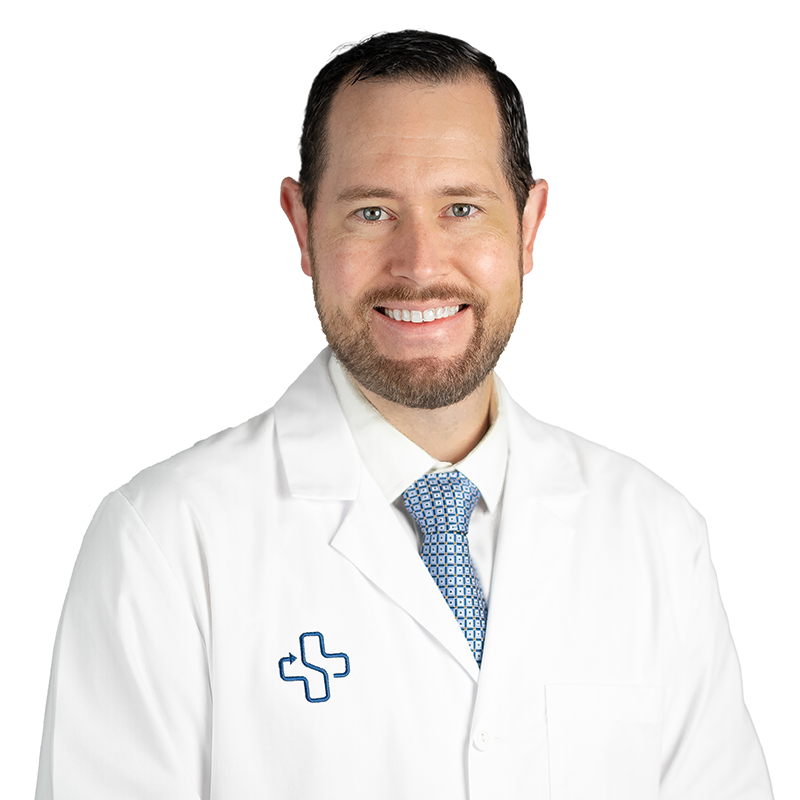
Paul Cartwright, MD, ABOM, DABS-FPMBS
A board-certified general surgeon specializing in bariatric weight-loss surgery. He also has special training and experience in da Vinci robotic-assisted procedures. After earning his medical degree from the University of Missouri-Kansas City School of Medicine, Dr. Cartwright completed residency training in general surgery at Augusta University. Dr. Cartwright then completed, at the Minnesota Institute for Minimally invasive surgery, one of two triple-accredited fellowships in the country at the time in Bariatric Surgery, Minimally Invasive Surgery and Flexible Therapeutic endoscopy. Accreditation received through The Fellowship Council.
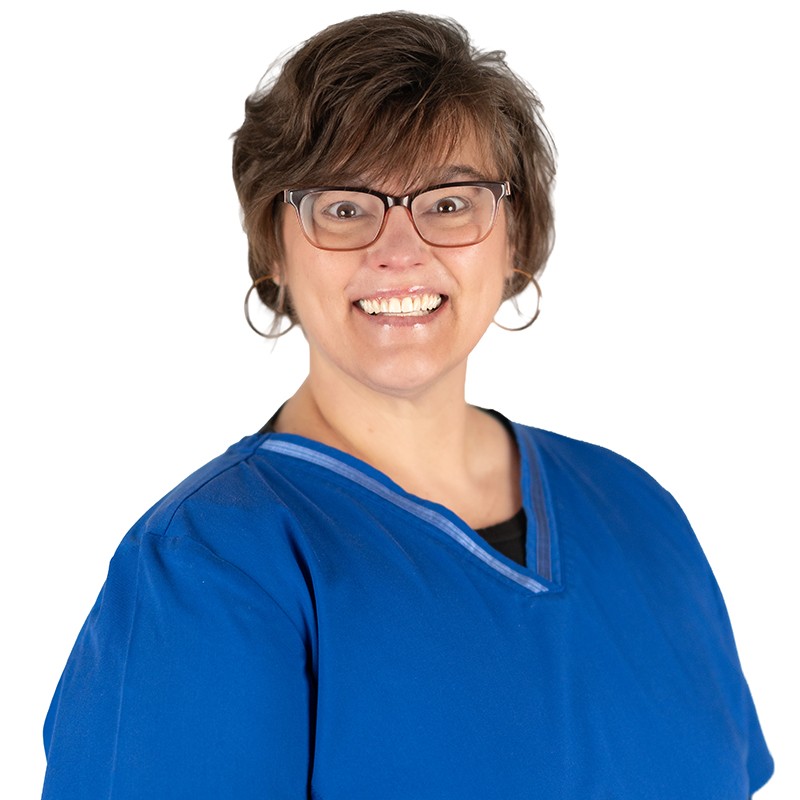
Jerri Kaye Aultman, MS, RD, LD
Registered Dietitian with Tift Regional Medical Center since 1994, with experience across inpatient and outpatient care, including general nutrition, diabetes education, oncology, and dialysis. She is based in the Outpatient Dialysis Clinic, where her primary focus is patient care, and has supported the bariatric program since its inception.
She works with bariatric patients through a structured, three-month education process, focusing on nutrition education, including carbohydrate reduction, protein intake, vitamin supplementation, and pre- and postoperative lifestyle changes. She provides ongoing support between visits, helping patients build sustainable habits that prepare them for surgery and long-term success.

Courtney Garrett, RN
Bariatric Program Coordinator at South Georgia Surgical with experience within Tift Regional Health System since 2001. She has been a nurse since 2012 and a registered nurse since 2018, with five years of prior experience in endoscopy before joining the bariatric team in March 2024.
She guides patients through the bariatric surgery process by assessing medical history, ensuring ASMBS eligibility, coordinating preoperative clearances, and educating patients on pre and postoperative care and long-term lifestyle changes.
Sign Up for a Free Bariatric Seminar
Our free seminar is the first step in learning how bariatric surgery works and what to expect along the way. You’ll meet members of our care team, hear about available procedures, and get answers to common questions.

Frequently Asked Questions (FAQ)
• Am I a Candidate for Bariatric Surgery?
You may qualify if your BMI is 40 or higher, or 35+ with a related health condition like diabetes or sleep apnea. Your care team will confirm eligibility during your evaluation.
• Will My Insurance Cover the Procedure?
Most insurance plans cover bariatric surgery if medical criteria are met. Your care team can help verify your coverage and guide you through the approval process.
• What’s the Recovery Time Like?
Most people stay in the hospital 1–2 days and return to normal activities in 2–4 weeks, depending on the type of surgery.
• What Kind of Follow-Up Support Will I Receive?
Follow-up care includes regular appointments with your surgeon and dietitian, annual lab checks for vitamin levels, and ongoing participation in support groups. Patients are encouraged to attend group meetings before and after surgery to maintain motivation and share success strategies.
• What Lifestyle Changes Are Required After Surgery?
You’ll follow a structured eating plan, stay active, and take supplements as recommended to maintain results and overall health.
• How Much Weight Can I Expect to Lose?
Most patients lose about 50–70% of their excess weight within the first year to year and a half after surgery.
• What else does Southwell offer?
Southwell provides additional support services to complement your bariatric care. Bariatric vitamins are available through the Southwell Pharmacy to help meet your ongoing nutritional needs. Post-weight loss physical therapy may also be available to help improve strength, mobility, and overall function as your body changes.